Botanicals
In the wild, fallen leaves, seed pods, bark, and branches all find their way into streams, rivers, and lakes, becoming an essential part of the world's aquatic ecosystems. Aquarium botanicals, such as dried catappa leaves and seed pods, are natural additions that gently transform water chemistry by releasing tannins, lowering pH, and creating blackwater environments. They provide essential hiding places, encourage foraging, support beneficial biofilms, and reduce stress for fish, shrimp, and snails. Botanicals also lend aesthetic appeal to aquascapes, providing a genuine feel of nature with luscious colors and textures that enhance the palette offered by rocks, driftwood, aquatic plants, fish, shrimp, and snails.
Botanicals help create a more complex ecosystem in an aquarium, closely resembling nature, improving the health of inhabitants, fauna and flora.
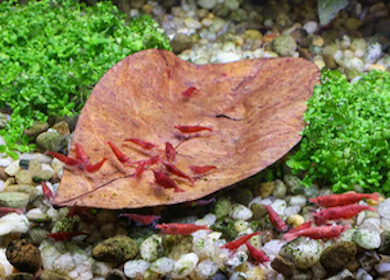
- Botanicals help represent the natural environment of aquatic life, encouraging natural behavior
- Slowly degrading leaves foster the microbial balance found in untouched natural habitats
- Creating an ideal breeding ground for microfauna and microflora
- Offering a nourishing food source for many fish, shrimp, snails
- Increasing the chances for successful breeding and fry survival
- Reducing stress, boosting immunity, and enhancing inhabitant colors
- Supporting biofilm development, strengthening the biological filter of the ecosystem
Botanicals lend natural diversity and beauty to aquariums.
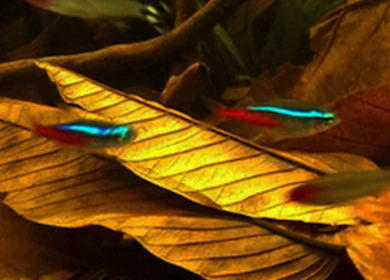
- Shades of tan, sienna, yellow ochre, add beautiful new tones to the aquarium color scheme
- Tannins stain the water shades of amber, creating a wild rainforest look
- Diverse shapes, textures, and colors contrast nicely against uniform substrate
- The scene changes as leaves decompose and shift around, creating a dynamic aquascape
- Part of the beauty of botanicals is their functional aesthetic, serving an integral role, nurturing a healthy aquatic ecosystem
- Observations over time reveal the wonderful choreography of plants, animals, and microbes